Comparing Football Analytics to Basketball: Key Differences and Similarities
Introduction to Sports Analytics in Football and Basketball
Football analytics and basketball analytics have both rapidly evolved to become essential for understanding player performance and team success. While they share a common goal of using data to inform decisions, the methods and specific applications vary significantly by sport.
Over the past decade, data-driven approaches have transformed coaching strategies, player evaluation, and fan engagement in both football and basketball. Yet, these two sports present unique challenges due to their differing pace, structure, and rules, shaping how analysts collect and use data.
Core Analytics Metrics in Football vs Basketball
The core analytics metrics in football and basketball reflect each sport’s unique dynamics and objectives. Football analytics often focus on metrics like expected points (EP), yards after catch (YAC), and win probability added (WPA) to quantify situational advantage. In contrast, basketball analytics emphasize player efficiency rating (PER), true shooting percentage (TS%), and plus-minus ratings to capture individual and team impact during continuous play.
Football metrics tend to value impact in discrete plays and outcomes, such as third-down conversions or red zone efficiency. Basketball metrics track real-time player contributions across possessions and incorporate more fluid variables like assist potential and defensive win shares.
For example, while expected points in football estimate outcome value based on field position and down, basketball’s PER aggregates scoring, passing, and defensive stats into a single efficiency number. These differences highlight how football’s episodic nature contrasts with basketball’s continuous flow in shaping key data metrics.
Data Collection Methods: Tracking Technologies and Data Sources
Player tracking technology is fundamental in both football and basketball analytics, but the methods and granularity differ greatly. Football uses wearable GPS trackers, RFID tags in jerseys, and optical tracking systems to collect positional and biometric data across larger fields and through more player stoppages.
Basketball analytics rely heavily on high-resolution cameras and sensor systems like SportVU to capture player movement on a smaller court at a higher frame rate. This enables more detailed tracking of off-ball movement, spacing, and micro-movements critical to basketball’s fast tempo.
Additionally, football’s data sources include extensive play-by-play data with situational tags (e.g., down and distance), while basketball benefits from comprehensive event logs with continuous possession data. This difference affects how analysts handle and interpret the data: football’s models must account for greater variability and burst dynamics, whereas basketball’s systems support granular, second-by-second analysis.
Application of Analytics in Team Strategy and Coaching
Teams use analytics to shape strategy and coaching in football and basketball, but the approaches differ due to the sports' structures.
In football, analytics inform game-planning through situational analysis — deciding fourth-down attempts, play calling based on expected points, and personnel deployment aimed at exploiting matchup advantages. Football coaches often use analytics to optimize discrete tactical decisions with clear outcomes.
Basketball coaching integrates analytics more fluidly during games, using real-time data for lineup adjustments, play calling, and defensive matchups. For instance, coaches analyze matchup data and spacing metrics to exploit opponent weaknesses or manage player fatigue strategically.
Moreover, basketball teams employ team strategy modeling that simulates different lineups and play styles, leveraging continuous possession data. Football analytics also increasingly use predictive models but must adjust for more stoppages and varied game states, which adds complexity.
Challenges Unique to Football and Basketball Analytics
Each sport presents unique challenges in data volume, complexity, and interpretation. Football’s slow pace and discrete plays mean analysts deal with fewer data points per game but must model high-impact, variable situations with many contextual factors such as weather and player substitutions.
Basketball generates massive volumes of continuous data every second, requiring advanced processing to distinguish meaningful patterns from noise. The fluid nature of basketball also makes isolating individual player contributions tricky due to constant interactions and rapid possessions.
Football analytics faces the challenge of integrating diverse data types — biometric, positional, and situational — to generate coherent insights despite low event frequency. Basketball analysts must develop sophisticated algorithms to parse spatial and temporal data, balancing model complexity with interpretability for coaches.
Both sports grapple with issues like data quality, sensor limitations, and balancing traditional scouting with advanced statistics.
Similarities in Predictive Modeling and Player Evaluation
Despite differences, football and basketball analytics share common methodologies in predictive modeling and player performance evaluation.
Both sports increasingly use machine learning models to forecast outcomes such as win probability, player injury risk, or growth trajectories. Advanced statistics quantify player impact beyond basic box score stats, incorporating spatial data and context-aware adjustments.
For example, player evaluation frameworks in both football and basketball combine traditional scouting with data-driven performance metrics to develop comprehensive talent profiles. Metrics like win shares and value over replacement player (VORP) are adapted to each sport’s flow but serve similar evaluative functions.
This convergent evolution means cross-disciplinary analytics techniques—such as neural networks for pattern recognition or clustering for play style classification—can often be customized and applied across sports.
Future Trends in Multi-Sport Analytics Integration
The future of sports analytics points to growing integration between football and basketball insights, driven by advances in data visualization, AI, and wearable technology.
Emerging tools will enable analysts to synthesize diverse datasets for holistic athlete monitoring and strategy optimization. For example, combining biometric data with tactical models may enhance injury prevention and personalized training programs applicable in both sports.
Furthermore, multi-sport analytics platforms will foster collaboration and innovation, allowing analysts to transfer learnings about performance evaluation and predictive modeling across disciplines.
Cross-sport studies may uncover universal principles of team dynamics, player workload management, or momentum shifts, enriching the broader sports analytics field.
Frequently Asked Questions
What are the most important football analytics metrics compared to basketball?
Football emphasizes expected points, third-down conversion rates, and win probability, capturing event-based impact. Basketball focuses on player efficiency rating (PER), true shooting percentage, and plus-minus metrics that evaluate continuous player contributions.
How does player tracking technology differ between football and basketball?
Football uses GPS and RFID tracking on bigger fields with sporadic movement, while basketball utilizes high-resolution optical systems capturing rapid, continuous movement on a smaller court at high frame rates.
Can analytics from one sport be applied to the other?
Yes, many machine learning techniques and performance evaluation frameworks can be adapted between football and basketball, although sport-specific adjustments are necessary due to differences in pace and structure.
What are the main challenges analysts face in football vs basketball?
Football analysts manage sparse, high-impact data with complex situational variables, whereas basketball analysts handle large volumes of continuous, high-speed data requiring sophisticated processing and interpretation.
How is real-time analytics used differently in football and basketball?
Football real-time analytics guide discrete decisions like fourth-down attempts and substitutions based on situational models, while basketball applies real-time data dynamically for lineup rotations, matchup exploitation, and in-the-moment play adjustments.
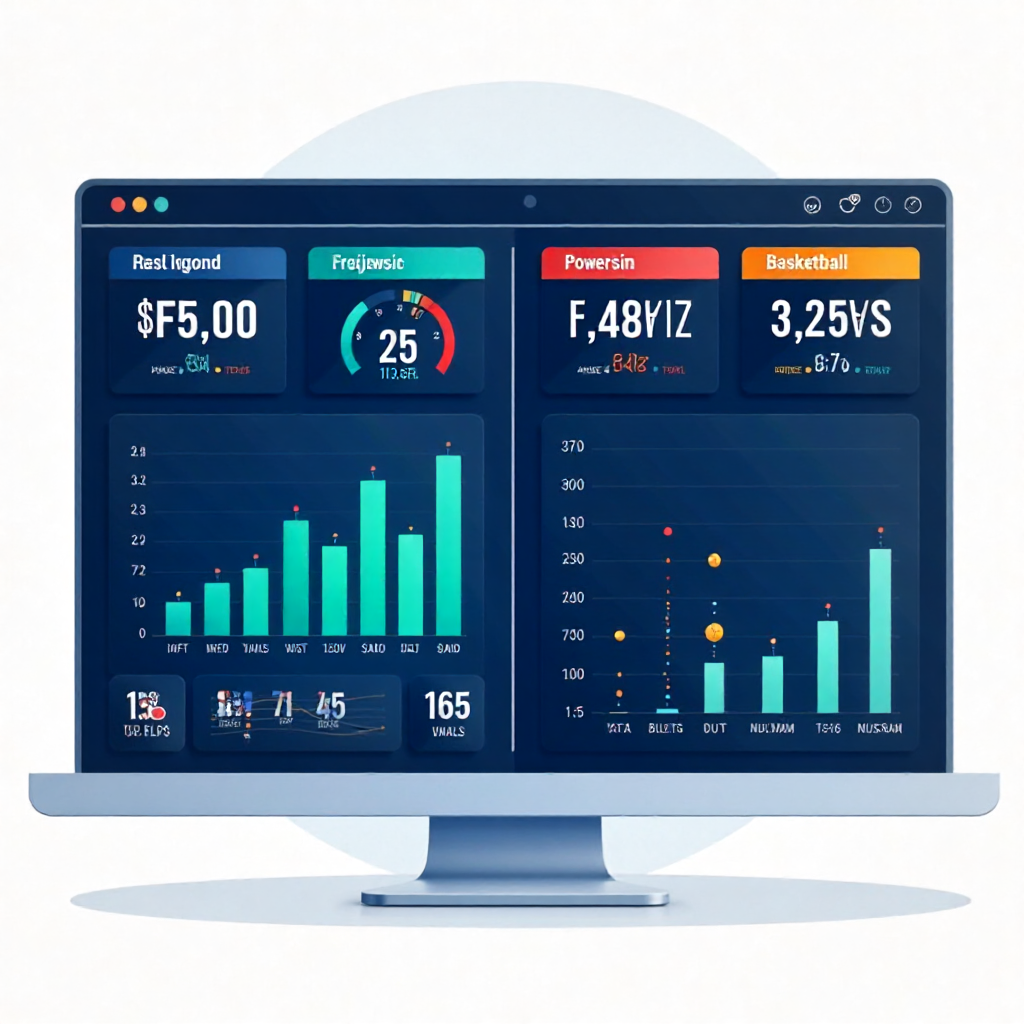
By understanding the nuanced differences and shared strategies in football and basketball analytics, analysts, coaches, and fans gain a deeper appreciation for how data shapes modern sports. The evolving landscape promises continued innovation in multi-sport analytics, blending technology, statistics, and human insight to elevate performance and competition.
For further exploration of football analytics methodologies, visit Wikipedia on American football statistics. To dive deeper into basketball advanced metrics, check Wikipedia on Advanced NBA statistics.